The Complete Guide to Commercial Audio System Installation in Los Angeles

A commercial audio system should deliver clear, consistent sound throughout a business without creating excessively loud or quiet areas. Whether the system is used for background music, announcements, presentations, paging, or live entertainment, its performance depends on proper design—not simply the number or price of the speakers.

Armtech Services designs and installs commercial audio systems throughout Los Angeles and surrounding areas. We work with restaurants, bars, offices, retail stores, warehouses, conference rooms, hospitality properties, and other commercial facilities.

This guide explains how commercial audio systems work, how speakers and amplifiers should be selected, and what business owners should consider before beginning an installation.

What Is a Commercial Audio System?

A commercial audio system distributes music, speech, or other audio across one or more areas of a business.

Depending on the property, a system may include:

  • Ceiling or surface-mounted speakers
  • Outdoor speakers
  • Commercial amplifiers
  • Audio mixers
  • Microphones
  • Paging equipment
  • Streaming music sources
  • Televisions and presentation equipment
  • Independent audio zones
  • Wall-mounted volume controls
  • Equipment racks
  • Network-connected audio equipment
  • Smart automation and centralized controls

Commercial systems are designed around the business’s layout, operating needs, noise level, and customer experience.

Where Are Commercial Audio Systems Used?

Commercial audio solutions can be customized for many environments:

  • Restaurants and bars
  • Retail stores
  • Offices
  • Conference rooms
  • Medical and dental offices
  • Gyms and fitness studios
  • Hotels
  • Schools and training facilities
  • Warehouses
  • Houses of worship
  • Apartment common areas
  • Outdoor dining areas
  • Showrooms
  • Salons and spas

Each type of business requires a different approach. A quiet medical office does not need the same system as a restaurant, gym, warehouse, or live-performance venue.

Background Music, Paging, or Both?

Before selecting equipment, determine what the system must accomplish.

Background music

Background music improves the atmosphere for customers and employees. The sound should be consistent, comfortable, and appropriate for the space.

Paging and announcements

Paging systems prioritize speech clarity. Announcements must remain understandable even in noisy areas or large rooms.

Television and presentation audio

Conference rooms, sports bars, training facilities, and hospitality spaces may need audio from televisions, projectors, computers, or video-conferencing systems.

Live audio

Restaurants, bars, event spaces, and houses of worship may need microphones, mixers, professional speakers, and connections for DJs or performers.

Combined systems

A commercial system may support background music during normal operations and automatically lower or mute the music when a page or announcement is made.

Defining these requirements early prevents unnecessary equipment changes later.

Proper Commercial Speaker Placement

Speaker placement has a major effect on coverage and sound quality.

Installing too few speakers usually produces loud areas near each speaker and weak coverage elsewhere. A better design uses enough speakers to distribute sound evenly at moderate volume.

Speaker placement should consider:

  • Ceiling height
  • Room dimensions
  • Wall and ceiling construction
  • Customer and employee locations
  • Furniture and shelving
  • Ambient noise
  • Outdoor areas
  • Speaker coverage patterns
  • Property boundaries
  • Desired volume
  • Paging requirements

Speakers should not be placed only where installation is easiest. They should be positioned according to the way the space will actually be used.

Ceiling Speakers vs. Surface-Mounted Speakers

Ceiling speakers

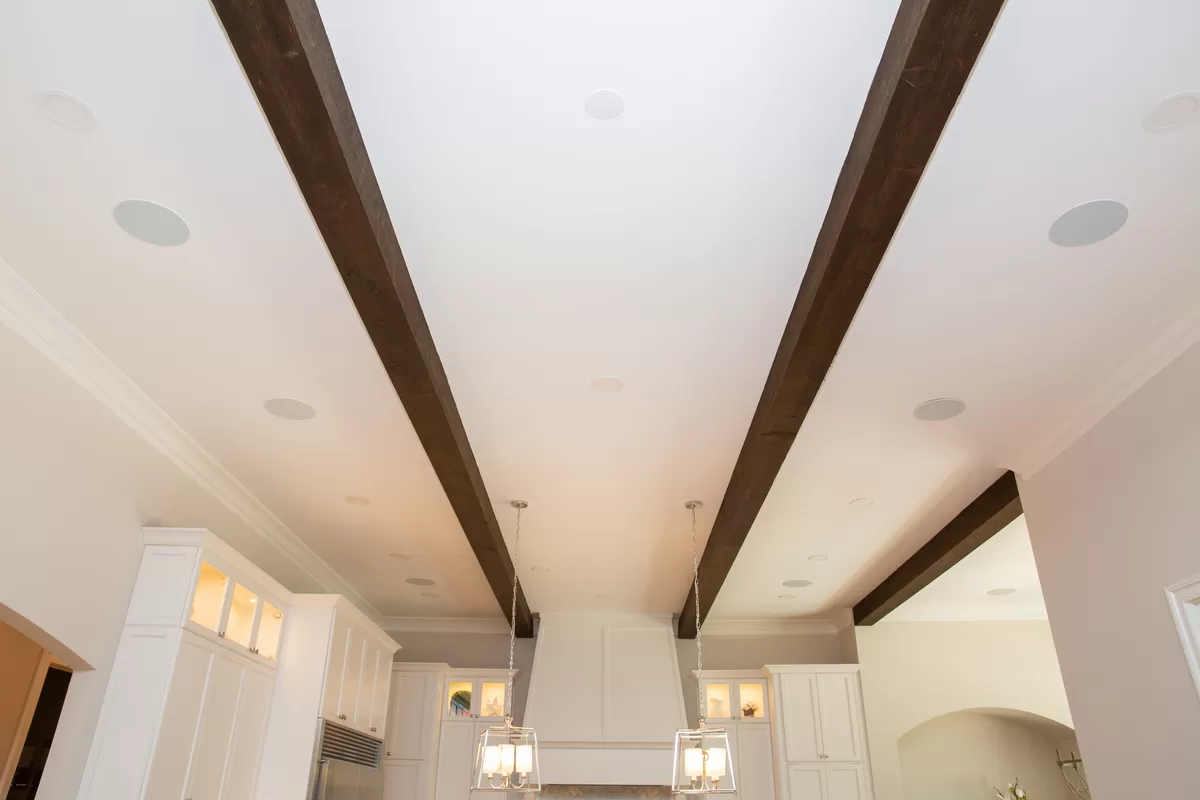
Ceiling speakers offer a clean appearance and work well in offices, restaurants, retail stores, and other spaces with suitable ceilings.

Benefits include:

  • Discreet appearance
  • Even overhead coverage
  • Reduced wall clutter
  • Effective background-music distribution

However, ceiling construction, insulation, ductwork, lighting fixtures, sprinklers, and other building systems may affect placement.

Surface-mounted speakers

Surface-mounted speakers are installed on walls, columns, ceilings, or structural supports.

They are useful when:

  • The ceiling is inaccessible
  • Higher output is required
  • The room has an open ceiling
  • Directional coverage is needed
  • The system serves an outdoor area

The correct option depends on the architecture and performance requirements.

What Is a 70-Volt Commercial Audio System?

A 70-volt audio system is commonly used when many speakers must operate over longer cable distances.

Each compatible speaker has a transformer with selectable power settings, commonly called taps. The selected tap determines how much power the speaker uses from the amplifier.

Advantages can include:

  • Connecting many speakers to one amplifier
  • Simplified power calculations
  • Longer cable runs
  • Easier expansion
  • Individual speaker-level adjustment
  • Efficient distribution across large properties

A 70-volt system is often suitable for restaurants, offices, retail stores, warehouses, and outdoor commercial spaces.

However, it is not automatically the best choice for every application. High-performance listening areas, live entertainment, studios, and certain conference rooms may require a different design.

Calculating Amplifier Power

The amplifier must provide enough power for all connected speakers without operating continuously at its maximum capacity.

For a 70-volt system, add the tap setting of every speaker connected to the amplifier channel. The amplifier should provide additional headroom above the calculated speaker load.

For example, a system with ten speakers set to 10 watts each creates a 100-watt connected load. The amplifier should be selected with appropriate reserve capacity instead of being sized at exactly 100 watts.

Other factors include:

  • Number of audio zones
  • Desired sound pressure
  • Speaker efficiency
  • Cable distance
  • Subwoofers
  • Paging priority
  • Future expansion
  • Indoor and outdoor coverage

Improper amplifier sizing can cause distortion, overheating, equipment shutdown, or speaker damage.

Creating Multiple Commercial Audio Zones

Different areas of a business often need independent volume and source control.

Typical zones include:

  • Lobby
  • Dining room
  • Bar
  • Patio
  • Restrooms
  • Kitchen
  • Private dining room
  • Office area
  • Conference room
  • Warehouse
  • Reception
  • Employee areas

A restaurant, for example, may play comfortable background music in the dining room, louder music at the bar, and a lower level on the patio. The office may need an entirely different source or no music.

Commercial audio zones can provide:

  • Independent volume
  • Different music sources
  • Scheduled operation
  • Paging to selected areas
  • Individual muting
  • Separate indoor and outdoor control

The number of required zones should be determined before the equipment and wiring are selected.

Paging and Announcement Systems

A paging system may use a desk microphone, telephone interface, wall station, network device, or other compatible source.

Paging systems can be configured to:

  • Make announcements throughout the property
  • Page only selected zones
  • Lower background music during an announcement
  • Play notification tones
  • Support emergency messages
  • Communicate between separate departments

Speech intelligibility matters more than simply increasing volume. Speaker location, room acoustics, microphone quality, and system tuning all affect how clearly announcements can be understood.

Paging and life-safety systems are not automatically interchangeable. Emergency systems may be governed by specific building, fire, accessibility, and electrical requirements. Appropriate licensed professionals and authorities should be involved when required.

Commercial Outdoor Audio

Restaurants, hotels, apartment communities, and event venues frequently need audio on patios, pool decks, entry areas, and outdoor dining spaces.

Outdoor installations require attention to:

  • Weather-resistant speakers
  • Sun and moisture exposure
  • Coastal corrosion
  • Outdoor-rated cable
  • Conduit and sealed connections
  • Property boundaries
  • Nearby residences
  • Local noise requirements
  • Secure equipment mounting
  • Landscape and irrigation systems

Using several properly positioned speakers at moderate volume generally produces better coverage and less sound spill than using only a few loud speakers.

Commercial Audio Wiring

Reliable wiring is the foundation of a commercial sound system.

The installation may require:

  • Plenum-rated cable
  • Riser-rated cable
  • Outdoor-rated cable
  • Conduit
  • Cable supports
  • Proper labeling
  • Equipment-rack termination
  • Fire-rated penetrations
  • Separation from high-voltage wiring
  • Compliance with applicable codes

The correct cable depends on the building, pathway, environmental conditions, system design, and applicable regulations.

Every cable should be identified at both ends. Proper documentation and labeling make future service and expansion substantially easier.

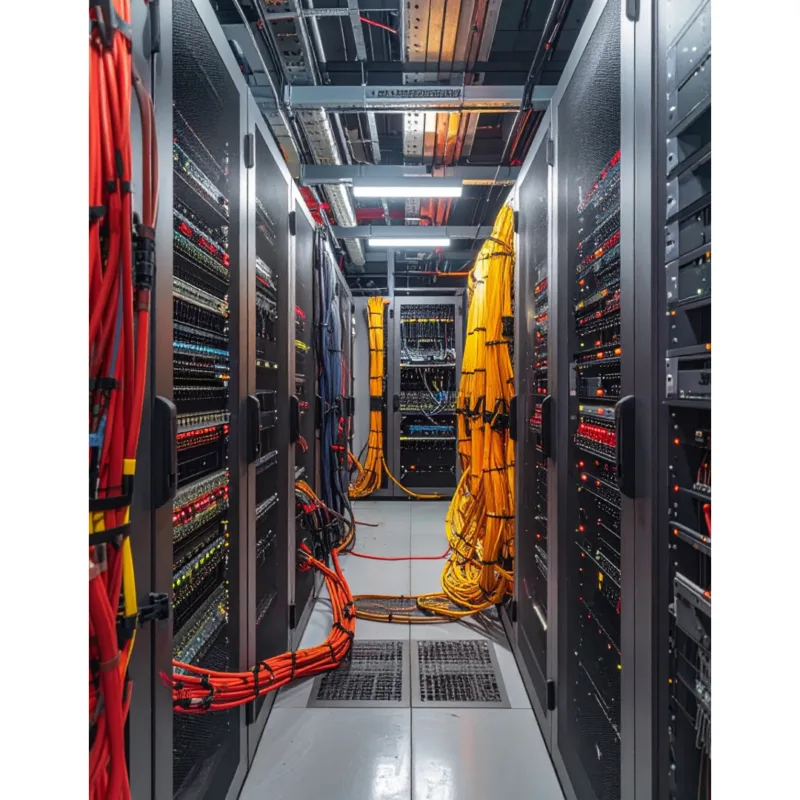
Equipment Racks and System Organization

Commercial audio equipment should be installed in a secure, ventilated, and serviceable location.

A properly organized equipment rack can hold:

  • Amplifiers
  • Audio processors
  • Mixers
  • Streaming equipment
  • Network switches
  • Power conditioning
  • Control equipment
  • Patch panels
  • Video-distribution equipment

Clean rack installation improves airflow, troubleshooting, equipment protection, and future maintenance.

The rack should not be installed where unauthorized people can frequently change settings or disconnect cables.

Music Sources and Business Licensing

A commercial audio system can receive music from streaming equipment, computers, media players, television receivers, or centralized automation systems.

However, a personal music-streaming subscription may not include permission for public playback in a commercial establishment. Business owners should verify that their music service and licensing arrangements permit commercial use.

The sound system and the legal right to play the content are separate issues. Installing commercial speakers does not automatically provide public-performance rights.

Network and Wi-Fi Requirements

Many modern audio systems use network connections for control, streaming, monitoring, or audio distribution.

An unreliable network can cause:

  • Interrupted music
  • Devices disappearing from control applications
  • Slow system response
  • Failed remote management
  • Unstable video-conference audio
  • Communication problems between networked components

Commercial audio equipment should not be added to an unplanned network without considering bandwidth, security, device management, coverage, and network segmentation.

Integrating Audio with Control4

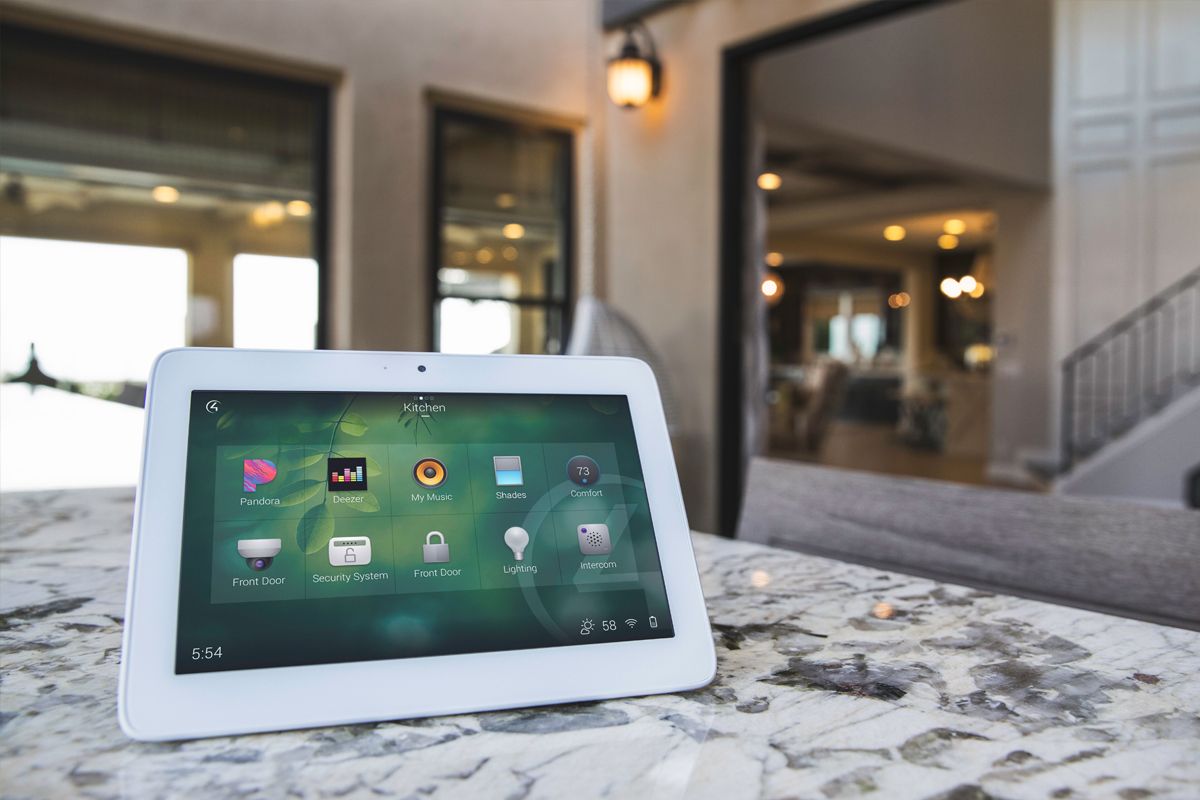
Control4 can integrate compatible commercial audio, video, lighting, climate, and security equipment into one control system.

Depending on the project, users may control:

  • Audio sources
  • Individual zones
  • Televisions and displays
  • Projectors and screens
  • Lighting scenes
  • Climate settings
  • Security cameras
  • Access control
  • Scheduled operations

For example, a restaurant’s opening scene could activate selected music zones and set appropriate lighting levels. A closing scene could turn off the audio and displays while adjusting lighting and other integrated equipment.

Compatibility must be verified before the system is designed.

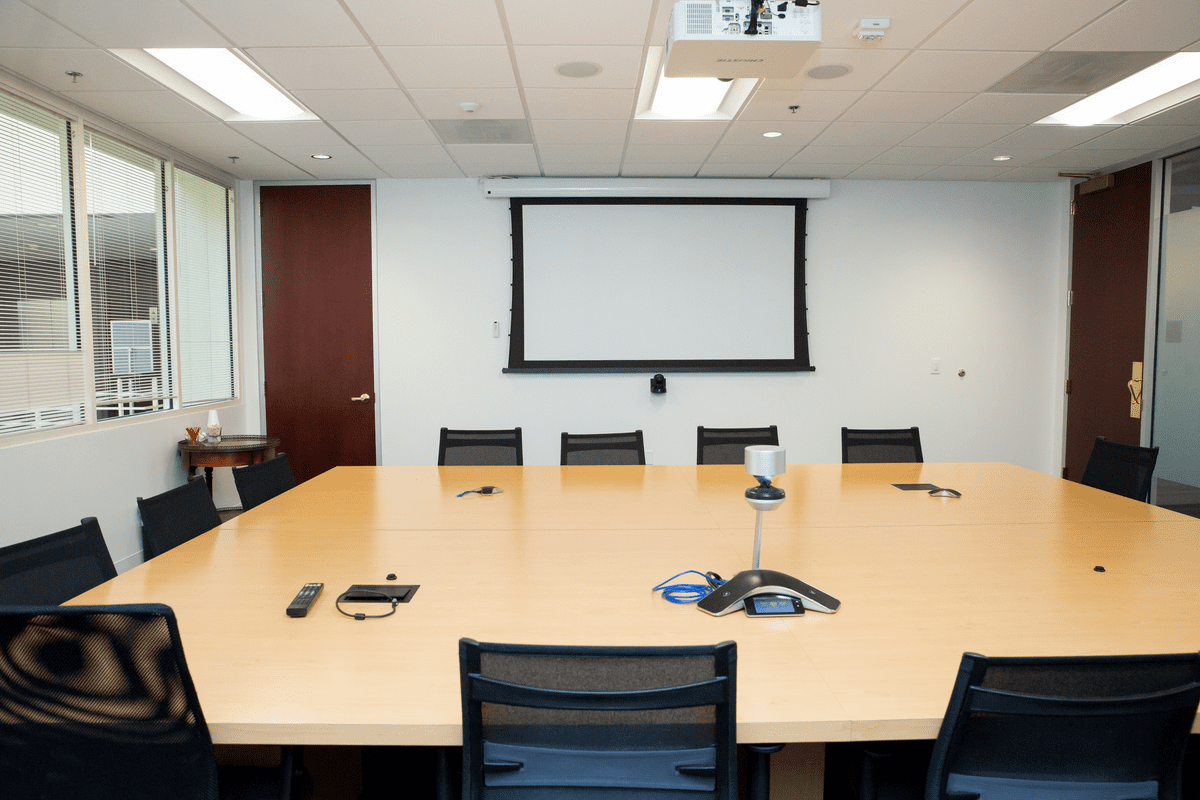
Conference Room Audio Systems

A conference room requires clear audio for both people inside the room and remote participants.

A complete system may include:

  • Ceiling or table microphones
  • Speakers
  • Digital signal processing
  • Echo cancellation
  • Video-conferencing equipment
  • Displays or projectors
  • Wireless presentation
  • Touchscreen control
  • USB connectivity
  • Equipment-rack integration

Room acoustics are especially important. Glass walls, hard floors, high ceilings, and other reflective surfaces can reduce speech clarity even when premium equipment is used.

Common Commercial Audio Installation Mistakes

Installing too few speakers

Too few speakers create uneven volume and poor coverage.

Selecting equipment before designing the system

Speakers and amplifiers should be selected after the zones, coverage, sources, and operational requirements are defined.

Ignoring room acoustics

Echo and excessive reflections can make speech and music difficult to understand.

Improper amplifier sizing

Connecting an excessive speaker load can damage equipment or cause unreliable operation.

Using the wrong cable

Cable must be appropriate for the building pathway, environment, and applicable requirements.

Failing to plan for future expansion

Extra rack space, conduit, amplifier capacity, and cable pathways can make future additions easier.

Placing controls where anyone can change them

Critical equipment settings should be protected from unauthorized adjustments.

Depending on unstable Wi-Fi

Permanent commercial systems require a properly designed network.

Forgetting staff training

Employees should understand basic operation without having access to advanced configuration settings.

How Much Does Commercial Audio Installation Cost?

Commercial audio system pricing depends on:

  • Size and layout of the property
  • Number and type of speakers
  • Number of audio zones
  • Ceiling height and accessibility
  • Cable length and pathways
  • Amplifier requirements
  • Paging equipment
  • Mixers and microphones
  • Outdoor coverage
  • Equipment-rack installation
  • Network requirements
  • Control and automation
  • Programming and calibration
  • Work-hour and access restrictions
  • Permit or code-related requirements

A small office background-music system and a multi-zone restaurant with indoor audio, patio speakers, television sound, paging, and live entertainment require very different budgets.

A site survey is the most reliable way to determine equipment requirements and prepare an accurate proposal.

Why Professional System Design Matters

Professional installation includes more than mounting speakers.

A qualified commercial audio installer should:

  • Inspect the property
  • Determine audio zones
  • Plan speaker coverage
  • Calculate amplifier loads
  • Select appropriate equipment
  • Coordinate cable pathways
  • Label and document wiring
  • Configure sources and controls
  • Tune the system
  • Train staff
  • Provide service and upgrade support

Planning prevents many of the performance and reliability problems caused by selecting equipment without understanding the complete system.

Frequently Asked Questions

How many speakers does my business need?

The number depends on the floor plan, ceiling height, speaker coverage, ambient noise, and intended volume. Square footage alone is not enough to design the system properly.

Is a 70-volt system better for commercial audio?

It is often a practical choice for systems with many speakers or long cable runs. However, the best format depends on the required sound quality and application.

Can different areas play different music?

Yes. A properly designed multi-zone system can provide independent source and volume control for different areas.

Can background music and paging use the same speakers?

Often, yes. The system may lower or mute the music automatically during announcements. Compatibility and priorities must be configured correctly.

Can you add audio to an existing business?

Yes. Existing buildings can often be upgraded, although ceiling access, construction, operating hours, and cable pathways can affect the installation method.

Can commercial audio integrate with televisions?

Yes. Compatible systems can distribute television audio to selected speakers or zones. Audio delays and source switching must be configured correctly.

Can Armtech Services install outdoor commercial speakers?

Yes. Armtech Services installs commercial outdoor audio for suitable patios, pool areas, dining spaces, and other exterior locations.

Commercial Audio Installation in Los Angeles

Armtech Services provides customized commercial audio, video, networking, security, low-voltage wiring, and automation solutions throughout Los Angeles and surrounding communities.

Our services include:

  • Background-music systems
  • 70-volt speaker systems
  • Paging and announcement systems
  • Restaurant and bar audio
  • Conference-room audio and video
  • Outdoor commercial speakers
  • Multi-zone audio
  • Amplifiers and audio processors
  • Equipment-rack installation
  • Network and Wi-Fi installation
  • Control4 programming
  • Commercial low-voltage wiring

Contact Armtech Services to schedule a site evaluation and discuss the right audio system for your business.
The Complete Guide to Smart Home Automation in Los Angeles (2026)

Technology has transformed the way we live. A modern smart home is no longer just a luxury reserved for high-end properties it has become a practical investment that improves comfort, security, entertainment, and energy efficiency.

smart-home-automation-los-angeles-2026.webp

Whether you’re building a new home, remodeling an existing property, or simply upgrading a few rooms, smart home automation gives you complete control over your home from your smartphone, tablet, touchscreen, or voice assistant.

At Armtech Services, we specialize in designing and installing custom smart home systems for homeowners and businesses throughout Los Angeles. Our solutions integrate lighting, climate control, security cameras, Wi-Fi, audio, video, and more into one easy-to-use system.


What Is Smart Home Automation?

completed-smart-home-project-los-angeles.webp

Smart home automation connects the technology in your home into a single, intelligent system.

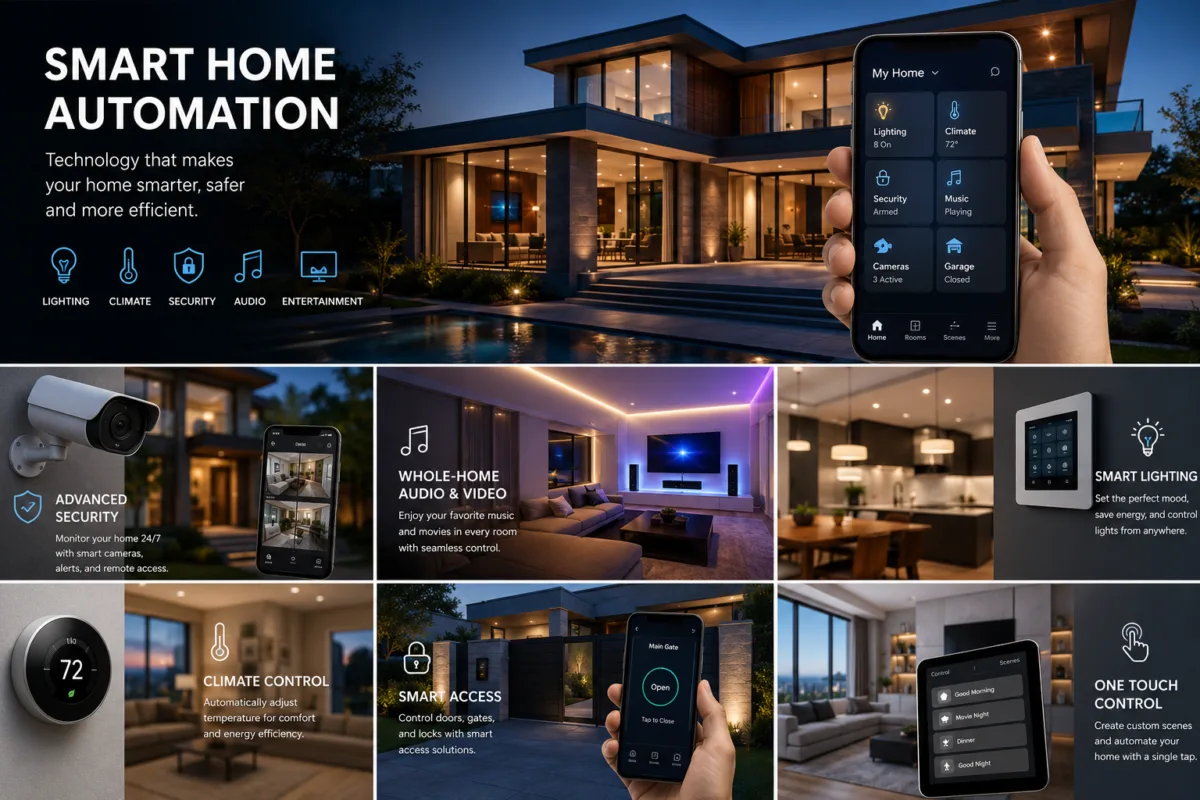
Instead of managing multiple apps and remote controls, one platform allows you to control:

  • Lighting
  • Thermostats
  • Security cameras
  • Door locks
  • Garage doors
  • Alarm systems
  • TVs
  • Home theaters
  • Whole-home audio
  • Outdoor entertainment
  • Motorized shades
  • Wi-Fi networks

Everything works together to create a home that responds to your lifestyle.

For example, pressing a single “Good Night” button can:

  • Lock every door
  • Turn off all lights
  • Arm the security system
  • Lower the thermostat
  • Close motorized shades
  • Turn off televisions
  • Activate outdoor cameras

Instead of managing multiple devices individually, your home performs these actions automatically.


Why Smart Homes Are Growing in Los Angeles

Los Angeles homeowners expect more from their homes than ever before.

Many families work remotely, rely on high-speed internet, and want entertainment systems that work seamlessly throughout the house.

At the same time, concerns about security and energy costs continue to grow.

Smart home technology addresses these needs by providing:

  • Better home security
  • Greater convenience
  • Improved energy efficiency
  • Easier entertainment
  • Increased property value
  • Remote access from anywhere

Whether you’re at work, on vacation, or simply relaxing at home, you remain connected to your property.


The Foundation of Every Smart Home: A Reliable Network

armtech-services-smart-home-installation.webp

Many homeowners spend thousands of dollars on smart devices but overlook the most important component: the network.

Your Wi-Fi network is the backbone of every connected device.

Poor networking often causes:

  • Slow internet
  • Cameras disconnecting
  • Streaming interruptions
  • Voice assistants failing
  • Smart devices going offline
  • Mobile app delays

Professional network design includes:

  • Enterprise-grade Wi-Fi access points
  • Proper switch selection
  • Structured Ethernet cabling
  • Secure remote access
  • Network optimization
  • Coverage planning

A reliable network ensures every smart device performs consistently throughout the home.


Smart Lighting Makes Everyday Living Easier

Lighting automation is one of the most popular smart home upgrades.

Instead of manually turning lights on and off, your lighting can respond automatically to your daily routine.

Examples include:

  • Sunset and sunrise schedules
  • Vacation lighting
  • Motion-activated pathways
  • One-touch “Movie Night” scenes
  • Dinner lighting presets
  • Bedtime lighting routines

Smart lighting also helps reduce unnecessary energy consumption while improving convenience.


Security Cameras That Work Together

security-camera-installation-los-angeles.webp

Modern security systems do much more than record video.

Today’s cameras provide:

  • Live viewing
  • Motion notifications
  • Night vision
  • AI-powered person detection
  • Vehicle detection
  • Remote playback
  • Smartphone access
  • High-definition recording

Even better, your cameras can work together with your automation system.

For example:

When someone rings your front doorbell:

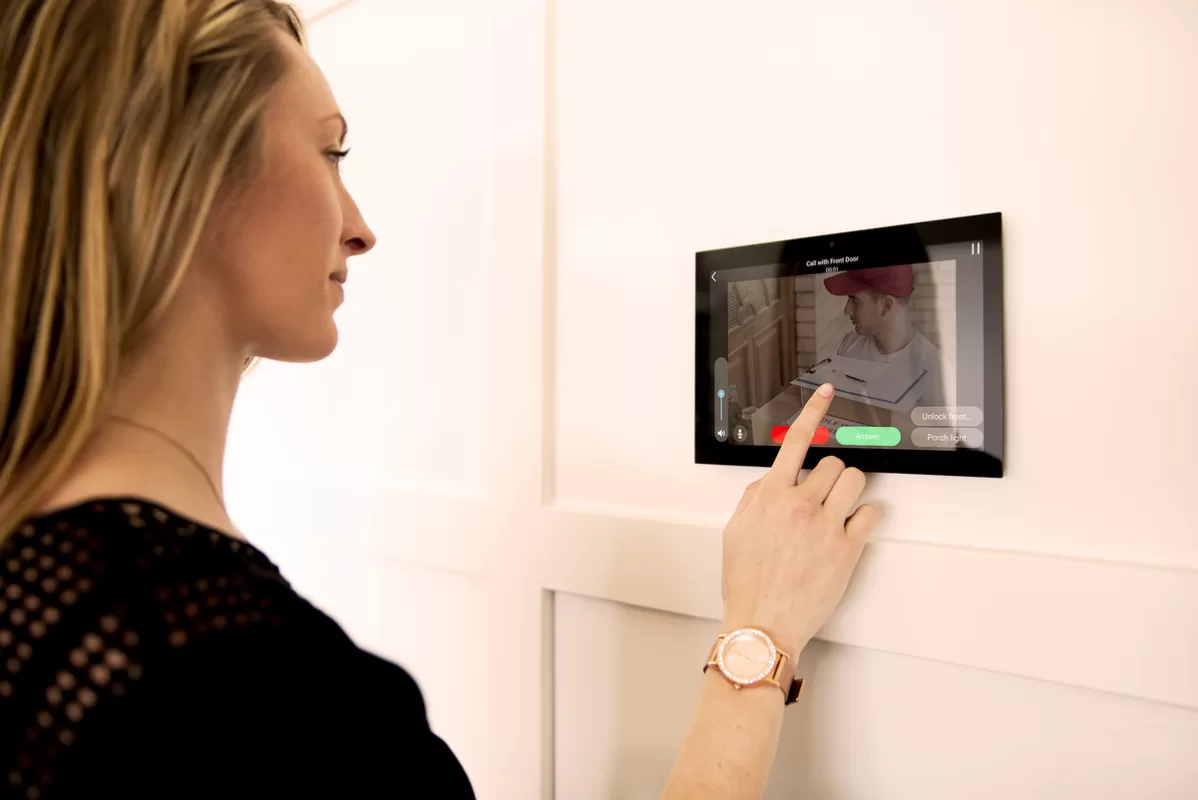
  • Your TV displays the camera feed.
  • Your outdoor lights turn on automatically.
  • You receive a mobile notification.
  • You can unlock the front door remotely if desired.

This level of integration creates a safer and more convenient home.


Whole-Home Audio Without the Clutter

Music has become an important part of modern living.

Instead of placing Bluetooth speakers in every room, a professionally designed whole-home audio system distributes high-quality sound throughout the house.

You can enjoy synchronized music in:

  • Kitchen
  • Living room
  • Patio
  • Backyard
  • Pool area
  • Master bedroom
  • Bathroom

Control everything from one app while choosing different music for different rooms.

Outdoor entertainment spaces are especially popular in Southern California, making weather-resistant speakers an excellent investment.


Home Theater Has Never Been Better

Streaming services have transformed home entertainment.

Today’s home theaters feature:

  • 4K and 8K televisions
  • Surround sound
  • Dolby Atmos audio
  • Hidden speakers
  • Acoustic treatments
  • Universal remote control
  • Automated lighting
  • Voice control

Imagine pressing one button labeled “Movie Time.”

Your home automatically:

  • Dims the lights
  • Turns on the TV
  • Powers the receiver
  • Starts your favorite streaming service
  • Closes motorized shades
  • Sets the perfect room temperature

This is the power of a professionally integrated smart home.


Climate Control That Saves Energy

Smart thermostats learn your schedule and automatically adjust temperatures throughout the day.

Benefits include:

  • Lower utility bills
  • Better comfort
  • Remote temperature control
  • Vacation mode
  • Automatic schedules
  • Energy reports

Instead of cooling an empty house, your system works only when needed.


Voice Control Throughout the Home

Voice assistants have become increasingly capable.

With professional integration, homeowners can say:

“Turn off downstairs lights.”

“Lock the front door.”

“Play jazz on the patio.”

“Good morning.”

The system immediately performs multiple actions simultaneously.

Voice control adds convenience without replacing manual controls.


Why Professional Installation Matters

professional-home-wifi-network-installation-los-angeles.webp

DIY smart devices work well individually.

The challenge begins when trying to connect dozens of devices from different manufacturers.

Professional installation provides:

  • Proper device compatibility
  • Reliable programming
  • Clean cable management
  • Secure networking
  • Future expansion
  • Long-term support
  • Expert troubleshooting

An experienced installer ensures every system works together rather than functioning as separate products.


Why Homeowners Choose Integrated Automation

A professionally designed smart home delivers benefits beyond convenience.

These include:

Better Security

Integrated cameras, lighting, alarms, and door locks work together to protect your property.

Greater Comfort

Your home adapts automatically to your schedule.

Increased Property Value

Modern buyers increasingly expect smart home features.

Simplified Entertainment

One remote or mobile app controls your entire entertainment system.

Lower Energy Costs

Automated lighting and climate control help reduce unnecessary energy use.


Why Choose Armtech Services?

Armtech Services proudly serves homeowners and businesses throughout the Los Angeles area with customized technology solutions. The company designs and installs systems for home automation, security cameras, networking, home theaters, lighting control, access control, TV mounting, whole-home audio, and commercial AV.

Every project begins with understanding how you use your home. Rather than recommending unnecessary equipment, the goal is to design a system that matches your lifestyle, budget, and future plans.

Whether you’re upgrading one room or building a fully integrated smart home, every installation is planned for reliability, ease of use, and long-term performance.


Frequently Asked Questions

How much does a smart home cost?

Costs vary depending on the size of the home and the systems you choose. Many homeowners start with lighting, security cameras, or networking and expand over time.

Can I automate an existing home?

Yes. Most existing homes can be upgraded without major remodeling.

Will smart home automation work during an internet outage?

Many professionally installed systems continue to control local devices even if your internet service is temporarily unavailable.

Can I control everything from one app?

Yes. Professional automation platforms combine multiple systems into one easy-to-use interface.

Is smart home automation worth it?

For most homeowners, the combination of convenience, security, entertainment, and energy savings makes smart home automation a worthwhile investment.


Ready to Upgrade Your Home?

If you’re considering smart home automation in Los Angeles, choosing an experienced installer makes all the difference. From reliable Wi-Fi and security cameras to lighting control, home theaters, and whole-home audio, a professionally designed system can simplify daily life while adding long-term value to your home.

Armtech Services provides personalized consultation, expert installation, and ongoing support to help homeowners create connected spaces that are secure, reliable, and easy to use.

Contact Armtech Services today to schedule your consultation and discover how a custom smart home system can transform your home.

Smart Home Automation: Transforming Modern Homes with Advanced Technology

Home Automation Technology in 2026: Transforming Modern Living with Smart Home Solutions

The Future of Smart Homes Is Here

Technology continues to reshape the way we live, work, and interact with our homes. What once seemed like science fiction is now an everyday reality thanks to modern home automation systems. Homeowners today are seeking greater convenience, security, energy efficiency, and entertainment control, making smart home technology one of the fastest-growing trends in residential construction and renovation.

At Armtech Services, we specialize in designing and installing customized home automation systems that bring the latest technology directly into your home. Whether you’re building a new luxury residence or upgrading your existing property, today’s smart home solutions can significantly enhance your lifestyle while increasing property value.

What Is Home Automation?

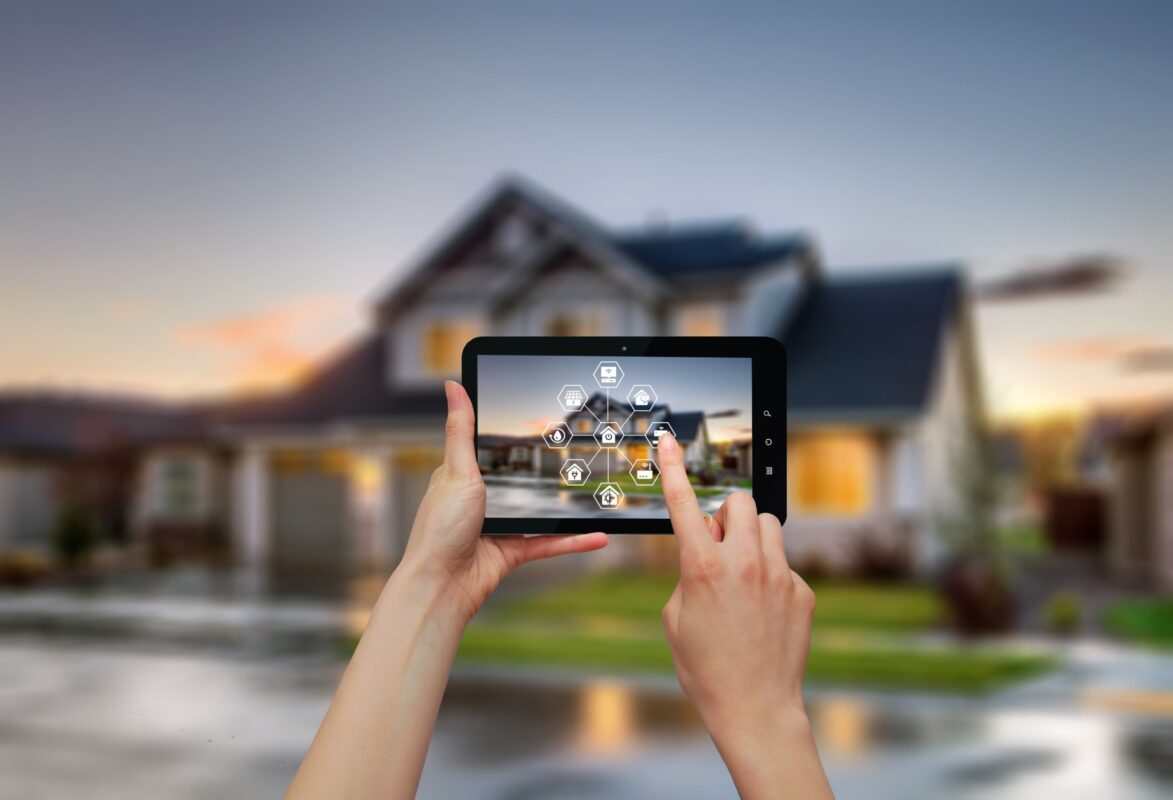
Home automation is the integration of technology that allows homeowners to control various systems and devices through a centralized platform. Using a smartphone, tablet, touchscreen, voice assistant, or remote control, users can manage:

  • Lighting
  • Climate Control
  • Security Cameras
  • Door Locks
  • Intercom Systems
  • Audio and Video Distribution
  • Motorized Shades
  • Outdoor Entertainment
  • Wi-Fi Networks
  • Energy Management Systems

The goal is simple: make your home more comfortable, secure, efficient, and enjoyable.

Smart Home Control from Anywhere

One of the biggest advantages of modern home automation is remote access. Whether you’re at work, traveling internationally, or simply relaxing by the pool, you can monitor and control your home from virtually anywhere.

Imagine being able to:

  • Lock your doors remotely
  • View live security camera footage
  • Adjust thermostat settings
  • Turn lights on and off
  • Open gates for visitors
  • Control outdoor audio systems
  • Receive instant security alerts

Modern automation systems give homeowners complete control and peace of mind regardless of location.

Intelligent Security Systems

Home security technology has evolved dramatically over the past few years. Today’s integrated security solutions combine surveillance, access control, and smart notifications into one seamless platform.

Advanced security features include:

Smart Surveillance Cameras

High-definition cameras provide crystal-clear video monitoring with:

  • Night Vision
  • Motion Detection
  • AI Person Recognition
  • Vehicle Detection
  • Cloud and Local Recording
  • Mobile Alerts

Smart Doorbells

Video doorbells allow homeowners to:

  • See visitors in real time
  • Speak through two-way audio
  • Receive package delivery notifications
  • Monitor front entrances from anywhere

Smart Locks and Access Control

Keyless entry systems offer:

  • Temporary guest access
  • User-specific access codes
  • Activity logs
  • Remote locking and unlocking
  • Enhanced security management

Whole-Home Audio and Entertainment

One of the most requested home automation features is distributed audio and video.

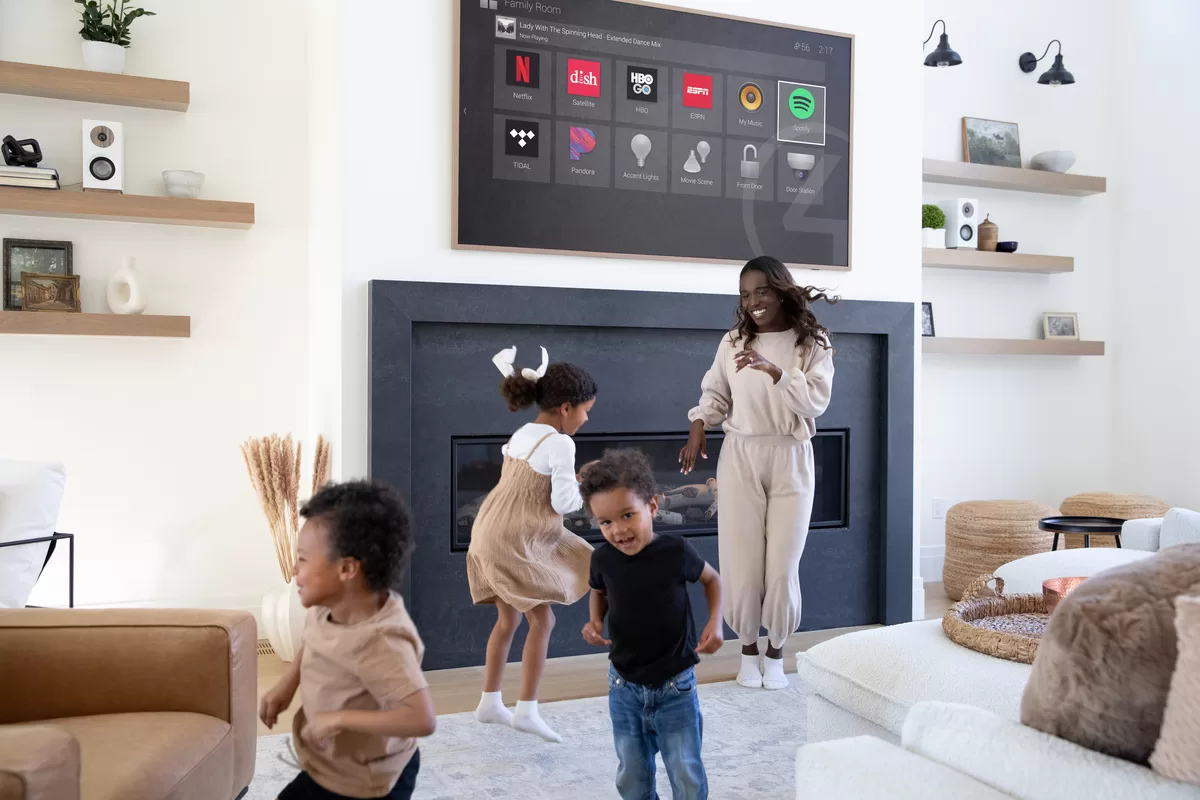
Modern systems allow homeowners to enjoy music throughout the property while maintaining complete control over individual zones.

Popular entertainment solutions include:

  • Multi-room audio
  • Outdoor speaker systems
  • Home theaters
  • TV integration
  • Streaming service control
  • Voice-controlled music playback

With a single touch, homeowners can create customized entertainment experiences for parties, family gatherings, or relaxing evenings.

Smart Lighting Control

Lighting automation offers both convenience and energy savings.

Homeowners can create customized lighting scenes such as:

Morning Mode

Lights gradually brighten to simulate sunrise.

Evening Mode

Interior and exterior lighting automatically adjusts as daylight fades.

Away Mode

Lights activate randomly to simulate occupancy while you’re away.

Entertainment Mode

Customized lighting scenes enhance movie nights and social gatherings.

Smart lighting systems can also significantly reduce energy consumption by automatically turning off unused lights.

Energy Efficiency and Sustainability

Energy management has become a major focus for homeowners seeking to reduce utility costs.

Smart home technology can optimize:

  • HVAC operation
  • Lighting schedules
  • Water heating systems
  • Irrigation systems
  • Motorized shades
  • Energy monitoring

Automated scheduling and occupancy sensing help reduce unnecessary energy usage while maintaining comfort.

Advanced Wi-Fi Networks: The Foundation of Every Smart Home

A reliable network is the backbone of every successful smart home installation.

As more devices connect to home networks, traditional consumer-grade Wi-Fi often struggles to provide consistent performance.

Professional network solutions provide:

  • Seamless roaming
  • Whole-home coverage
  • Faster internet speeds
  • Enhanced security
  • Device management
  • Reliable streaming and video conferencing

At Armtech Services, we design enterprise-grade Wi-Fi systems that ensure every smart device operates smoothly throughout the property.

Voice Control and Artificial Intelligence

Voice assistants have become an essential part of modern smart homes.

Today’s systems can integrate with:

  • Voice-controlled lighting
  • Climate adjustments
  • Music playback
  • Security functions
  • Smart appliances
  • Motorized shades

Artificial intelligence continues to improve automation capabilities by learning homeowner preferences and automatically adjusting settings to enhance comfort and efficiency.

Outdoor Smart Living Spaces

Modern automation extends far beyond the walls of the home.

Outdoor technology solutions include:

  • Weather-resistant audio systems
  • Landscape lighting control
  • Pool automation
  • Security cameras
  • Outdoor televisions
  • Automated gates
  • Smart irrigation systems

Homeowners can now create fully connected outdoor entertainment spaces perfect for relaxing and entertaining guests.

Increase Property Value with Smart Technology

Home automation is no longer considered a luxury reserved for high-end estates. It has become a desirable feature that attracts modern buyers.

Benefits include:

  • Increased property value
  • Enhanced security
  • Reduced energy costs
  • Greater convenience
  • Future-ready infrastructure
  • Improved lifestyle

Many homebuyers actively seek properties equipped with integrated smart technology systems.

Why Choose Armtech Services?

With years of experience in home automation, networking, security, audio/video, and smart home integration, Armtech Services delivers customized solutions designed around each client’s needs.

Our services include:

  • Home Automation Design
  • Control4 Systems
  • Smart Lighting Control
  • Security Camera Installation
  • Intercom Systems
  • Access Control
  • Multi-Room Audio
  • Home Theater Installation
  • Wi-Fi and Network Solutions
  • Outdoor Entertainment Systems
  • Smart Home Upgrades

We work closely with homeowners, builders, designers, and developers to create technology solutions that are reliable, scalable, and easy to use.

Ready to Upgrade Your Home?

The future of home automation has arrived, and there has never been a better time to invest in smart home technology. Whether you’re looking to improve security, simplify daily routines, enhance entertainment, or increase your property’s value, Armtech Services can help design the perfect solution.

Contact Armtech Services today to schedule a consultation and discover how smart home technology can transform your living experience.

The Ultimate Guide to Backyard Audio Systems: Speaker Placement, Configuration, and More

Home Automation

A well-designed backyard audio system lets you enjoy clear, balanced music throughout your outdoor space without disturbing your neighbors or overpowering one seating area.

However, installing outdoor speakers involves more than mounting two speakers on the back of the house. Speaker location, landscape design, property size, wiring, amplifier power, weather exposure, and system control all affect performance.

At Armtech Services, we design and install customized backyard for homes throughout Los Angeles and surrounding areas. Whether you want background music around a patio or powerful entertainment throughout a large backyard, proper planning is essential.

What Is a Backyard Audio System?

A backyard audio system is a permanently installed group of weather-resistant speakers designed to distribute sound across patios, pools, gardens, outdoor kitchens, and other exterior living spaces.

Depending on the property, an outdoor audio system may include:

  • Surface-mounted patio speakers
  • Landscape speakers
  • Rock-style speakers
  • Bollard speakers
  • In-ground or surface-mounted subwoofers
  • Multi-channel amplifiers
  • Outdoor-rated speaker wiring
  • Streaming audio equipment
  • Volume controls
  • Smart-home integration
  • Multiple independently controlled audio zones

The goal is to produce consistent sound throughout the listening area while keeping the equipment protected and easy to control.

Why Speaker Placement Matters

Outdoor areas do not have walls and ceilings to contain and reflect sound. The sound disperses more freely, making speaker placement especially important.

Installing only one or two powerful speakers often creates an uneven experience. The music may be too loud near the house but difficult to hear across the yard. Increasing the volume can also send unnecessary sound toward neighboring properties.

A better design typically uses several speakers positioned closer to the listeners. Each speaker can operate at a moderate level while the entire system delivers more uniform coverage.

This approach provides:

  • More consistent sound
  • Clearer music at lower volume
  • Better coverage across large areas
  • Less disturbance for neighbors
  • Improved stereo balance
  • More comfortable listening near the speakers

How Many Outdoor Speakers Do You Need?

The correct number of speakers depends on more than the backyard’s square footage. The layout and how each area will be used are equally important.

Consider the following:

  • Patio size and shape
  • Pool location
  • Outdoor kitchen or barbecue area
  • Dining and conversation areas
  • Gardens and landscaping
  • Property boundaries
  • Speaker mounting locations
  • Desired listening volume
  • Background music versus party-level sound
  • Noise sensitivity of neighboring properties

A small covered patio may only require one pair of speakers. A larger property with a pool, outdoor kitchen, lawn, and multiple seating areas may need several speaker pairs, one or more subwoofers, and separate audio zones.

More speakers do not automatically mean better results. The system must also have suitable amplification, wiring, configuration, and volume control.

The Best Placement for Patio Speakers

Surface-mounted patio speakers are commonly attached beneath eaves, patio covers, pergolas, or exterior walls.

For better performance:

  • Direct the speakers toward the property, not toward neighboring homes.
  • Position them near the main listening area.
  • Avoid placing both speakers too far apart.
  • Mount them high enough to distribute sound without aiming directly into people’s ears.
  • Keep the left and right speakers reasonably balanced around the seating area.
  • Avoid locations where doors, trees, columns, or furniture will block the sound.
  • Use the manufacturer’s mounting hardware and installation requirements.

Installing speakers directly on the house and pointing them outward may seem logical, but it can push the sound across the entire property. Speakers placed closer to the listening areas and aimed back toward the home usually offer better control.

Landscape Speaker Placement

Landscape speakers are designed to blend into gardens, planters, and other outdoor areas. Many models resemble small directional fixtures and can be installed close to the ground.

Instead of trying to cover the entire backyard with two loud speakers, multiple landscape speakers can be distributed around the property.

A carefully planned landscape system should:

  • Position speakers at relatively consistent intervals
  • Aim speakers toward the primary listening areas
  • Keep sound directed inside the property
  • Avoid firing speakers directly at one another
  • Minimize obstructions from plants and outdoor structures
  • Preserve a visually clean landscape
  • Provide service access for future maintenance

Landscaping changes over time. Plants that are small during installation may eventually block a speaker. Speaker locations should account for future plant growth, irrigation, lawn maintenance, and drainage.

Do You Need an Outdoor Subwoofer?

Standard outdoor speakers may provide clear vocals and high-frequency detail, but they often cannot reproduce deep bass effectively. An outdoor subwoofer adds the low-frequency performance that makes music sound fuller and more natural.

A subwoofer can be especially valuable for:

  • Larger backyards
  • Pool areas
  • Outdoor parties
  • Dance and electronic music
  • Systems that use compact landscape speakers
  • Homeowners who want a richer listening experience

Outdoor subwoofers are available in several designs, including partially buried models, in-ground units, and decorative enclosures.

Subwoofer placement should be selected carefully. Too much bass near a property boundary can disturb neighbors, while improper placement may produce strong bass in one location and weak performance elsewhere.

The amplifier and system configuration must also include the correct crossover settings so the main speakers and subwoofer work together.

Creating Multiple Outdoor Audio Zones

A large backyard often contains several distinct spaces. The patio may be used for dining, the pool for recreation, and an outdoor kitchen for entertaining.

Placing the entire backyard on one volume control can be inconvenient. The pool area may need more volume than the dining table, while another part of the yard may not need music at all.

Separate audio zones can provide independent control for areas such as:

  • Covered patio
  • Pool and spa
  • Outdoor kitchen
  • Dining area
  • Garden or lawn
  • Guest house
  • Front yard or entry
  • Rooftop deck

Each zone may require its own amplifier channels, wiring, speaker configuration, and control options. Proper planning during construction or remodeling can make future expansion easier.

Choosing the Right Outdoor Speakers

Not every speaker is suitable for permanent exterior installation. Outdoor speakers must be selected for the environment in which they will operate.

Important considerations include:

Weather resistance

The speakers should be rated for outdoor exposure. A protected patio and an exposed garden may require different types of equipment.

Coastal conditions

Homes near Malibu and other coastal areas may experience salt air, humidity, and corrosion. Equipment, connectors, mounting hardware, and installation methods should be chosen for the property’s actual exposure.

Sound coverage

Some speakers provide broad coverage, while others produce a more focused listening area. Coverage characteristics should match the layout.

Appearance

Outdoor speakers are available in several colors, shapes, and installation styles. They should complement the landscaping and architecture without sacrificing performance.

Power handling

The speakers and amplifier must be properly matched. More wattage does not automatically produce better audio, and an incorrectly configured system can damage equipment.

Amplifiers and System Configuration

The amplifier powers the speakers and plays a major role in system performance. It must be selected according to the number of speakers, speaker impedance, wiring configuration, desired volume, and number of audio zones.

Outdoor audio systems may use:

  • A traditional stereo amplifier
  • A streaming amplifier
  • A multi-zone distribution amplifier
  • A dedicated landscape audio amplifier
  • A centralized smart-home audio system
  • A 70-volt amplifier for certain larger installations

The correct option depends on the property and the system’s intended use.

Connecting too many speakers to an amplifier without calculating the load can cause overheating, protection-mode shutdowns, distorted audio, or equipment damage. This is one reason professional system design matters.

Standard Low-Impedance vs. 70-Volt Systems

Residential outdoor audio systems generally use either standard low-impedance speakers or a 70-volt distributed audio configuration.

Standard low-impedance systems

These systems are common for smaller patios and residential listening areas. They can deliver excellent sound quality but require careful attention to the number of speakers and the amplifier’s supported load.

70-volt systems

A 70-volt system can be useful when many speakers must operate over longer cable distances. Each compatible speaker uses a transformer tap that determines how much amplifier power it receives.

This approach is often used for large residential properties and commercial outdoor spaces. However, a 70-volt system is not automatically the right choice for every backyard. Equipment selection should be based on the layout, required sound quality, cable distance, and number of speakers.

Outdoor Speaker Wiring

The wiring is the hidden foundation of a reliable backyard audio system.

Use cable that is appropriate for the installation environment. Depending on the cable path, this may include:

  • Outdoor-rated speaker cable
  • Direct-burial cable
  • Conduit
  • Weather-resistant junctions
  • Waterproof or water-resistant connectors
  • Properly sealed wall penetrations

Low-voltage cable should be protected from irrigation equipment, landscaping tools, standing water, rodents, excessive heat, and accidental damage.

For a new construction or major backyard renovation, install the necessary wiring and conduit before hardscape, concrete, tile, artificial turf, or finished landscaping is completed. Running additional cable later can be considerably more difficult and expensive.

It is also smart to install extra conduit or wiring for possible future speakers, subwoofers, outdoor televisions, Wi-Fi access points, cameras, and lighting control.

Wi-Fi and Network Requirements

Many modern outdoor audio systems use mobile apps and streaming services. Even when the speakers are wired, the system’s controls and music sources may depend on a reliable network connection.

Poor backyard Wi-Fi can cause:

  • Delayed volume control
  • Music interruptions
  • Missing devices in the control app
  • Streaming problems
  • Slow response from smart-home scenes
  • Difficulty controlling the system near the pool or patio

A professional network design may include an appropriately positioned indoor or outdoor wireless access point. Simply adding an inexpensive Wi-Fi extender does not always provide reliable roaming or consistent performance.

Controlling Your Backyard Audio System

An outdoor audio system can be controlled in several ways:

  • Smartphone or tablet
  • Handheld remote
  • Outdoor volume control
  • Touchscreen
  • Voice assistant
  • Control4 interface
  • Scheduled automation
  • Custom smart-home scenes

For example, an “Outdoor Entertainment” scene could turn on the patio audio, select a preferred music source, adjust the volume, activate landscape lighting, and prepare the outdoor television.

The system should remain simple enough for family members and guests to use without requiring complicated instructions.

Integrating Outdoor Audio with Control4

Control4 can bring outdoor audio together with other home systems through a single interface.

Depending on the equipment and programming, homeowners may be able to control:

  • Music sources
  • Individual audio zones
  • Outdoor televisions
  • Landscape lighting
  • Pool and spa functions
  • Security cameras
  • Gates and access control
  • Motorized shades
  • Climate systems

Compatibility must be confirmed before installation. Not every consumer audio product or smart device offers the same integration capabilities.

Common Backyard Audio Mistakes

Avoid these frequent design and installation problems:

Using too few speakers

Two extremely loud speakers rarely provide even coverage across a large backyard.

Pointing sound toward neighbors

Speaker direction should keep as much sound as possible within the property.

Ignoring the subwoofer

Small landscape speakers may sound thin without low-frequency support.

Using indoor equipment outdoors

Indoor speakers, connectors, and wiring may not withstand exterior conditions.

Underestimating the amplifier

The amplifier must support the complete speaker load and desired number of zones.

Installing cable without protection

Exposed or poorly buried wire can be damaged by landscaping, irrigation, weather, and animals.

Forgetting about Wi-Fi

Streaming and app control require reliable network coverage in the areas where the system will be used.

Planning after construction is complete

Wiring becomes more difficult after concrete, finished ceilings, outdoor kitchens, and landscaping are installed.

Professional Installation vs. DIY

A basic pair of patio speakers may be manageable for some homeowners. Larger systems require more detailed planning.

Professional installation is especially valuable when a project includes:

  • Multiple audio zones
  • Numerous landscape speakers
  • Outdoor subwoofers
  • Long cable distances
  • Control4 integration
  • Centralized equipment racks
  • Underground wiring or conduit
  • Outdoor Wi-Fi
  • Pool and landscape coordination
  • Integration with lighting, televisions, or security

A professional installer can calculate the speaker load, select the correct amplifier, plan cable routes, configure the system, test coverage, and make final adjustments after installation.

How Much Does a Backyard Audio System Cost?

Backyard audio system pricing depends on:

  • Number and type of speakers
  • Addition of one or more subwoofers
  • Property size
  • Number of audio zones
  • Amplifier requirements
  • Cable distance and accessibility
  • Conduit or trenching
  • Equipment location
  • Network upgrades
  • Smart-home integration
  • Programming and calibration
  • Existing construction versus new construction

A simple patio system and a complete multi-zone landscape system are very different projects. A site evaluation is the most reliable way to develop an accurate design and estimate.

Be cautious with low estimates based only on the number of speakers. Wiring access, amplification, networking, construction conditions, and control requirements can significantly affect the completed cost.

Planning a Backyard Audio System in Los Angeles

Los Angeles properties vary widely, from compact patios to large hillside and coastal estates. A successful outdoor audio design should consider the home’s architecture, outdoor activities, landscaping, nearby properties, and environmental exposure.

Armtech Services can coordinate with homeowners, builders, electricians, pool contractors, landscape designers, and other trades to plan the system before construction is completed.

Our outdoor technology services can include:

  • Patio and landscape speakers
  • Outdoor subwoofers
  • Multi-zone amplification
  • Outdoor televisions
  • Control4 programming
  • Wi-Fi and network installation
  • Security cameras
  • Landscape lighting control
  • Low-voltage prewiring
  • Equipment-rack installation
  • System upgrades and troubleshooting

Frequently Asked Questions

Can outdoor speakers stay outside all year?

Speakers specifically designed and rated for outdoor use can remain permanently installed. Their durability depends on product quality, installation, environmental exposure, drainage, and maintenance.

How far apart should backyard speakers be?

There is no universal distance that works for every product or property. Spacing depends on the speaker’s coverage pattern, listening area, mounting height, landscaping, and desired volume. Follow the manufacturer’s recommendations and adjust the layout to the site.

Should outdoor speakers face the house?

In many installations, aiming speakers toward the house helps keep sound within the property. The correct direction ultimately depends on the yard’s shape, listening positions, and neighboring properties.

Do outdoor speakers need an amplifier?

Most permanently installed passive outdoor speakers require an amplifier. Some powered products include amplification, but they may have different wiring, electrical, networking, and integration requirements.

Are wireless outdoor speakers completely wireless?

Usually not. A wireless speaker may receive audio over Wi-Fi or Bluetooth, but it still requires power or periodic battery charging. Permanently installed wired speakers are generally more suitable for complete multi-zone systems.

Can backyard audio connect to Control4?

Yes, many outdoor audio systems can be integrated with Control4. Compatibility depends on the amplifier, streaming equipment, audio distribution system, drivers, and project configuration.

When should outdoor audio wiring be installed?

Wiring should ideally be installed before walls, patio covers, hardscape, landscaping, and outdoor kitchens are finished. Early planning provides more equipment options and cleaner cable routes.

Create Better Outdoor Entertainment with Armtech Services

A backyard audio system should provide balanced sound, convenient control, dependable performance, and clean integration with the property.

Armtech Services designs and installs customized outdoor audio, smart-home automation, lighting control, security, networking, and entertainment systems throughout Los Angeles and surrounding areas.

Contact Armtech Services to schedule a consultation and discuss the right outdoor audio design for your property.

Call: 877-353-7707
Request an estimate

Experience Total Home Control with Control4: Smart Lighting, Audio, and Climate Solutions

Transform Your Home with Control4: Seamless Lighting, Audio, and Climate Control

In today’s world, convenience and comfort are paramount, and smart home technology is revolutionizing the way we live. Imagine controlling every aspect of your home with just a button—whether it’s dimming the lights for a movie night, playing your favorite playlist throughout the house, or adjusting the temperature without leaving the couch. This dream becomes a reality with Control4, a leading home automation system.

Lighting Automation: Ambiance at Your Fingertips

Lighting sets the mood for any space, and Control4 allows you to manage it effortlessly. Whether you want to dim the lights for a cozy dinner or brighten them for a lively gathering, the system gives you complete control.

  • Custom Scenes: Set personalized lighting scenes for different occasions. Create a “Good Morning” scene where lights gradually brighten or a “Movie Time” scene that dims the living room while illuminating pathways.
  • Energy Efficiency: Automated lighting enhances your comfort and improves energy efficiency by ensuring lights are only on when needed.
  • Remote Access: Control your home lighting from anywhere in the world through the Control4 app—never worry about forgetting to turn off the lights again.

Whole-House Audio: Synchronize Your Sound

Control4’s whole-house audio system delivers a seamless, high-quality sound experience. Whether you’re hosting a party or just relaxing, you can enjoy your favorite music, podcasts, or radio stations in any room of your home.

  • Multi-Room Audio: Play different music in different rooms or synchronize your favorite playlist throughout the entire house. Enjoy the flexibility of controlling your audio from one device or allow each family member to customize their experience in their own space.
  • Intuitive Control: Easily manage your sound system from your phone, tablet, or Control4 interface. Skip songs, adjust the volume, or switch playlists with just a tap.
  • Streaming Services: Integrate all of your favorite streaming services—Spotify, Apple Music, Pandora, and more—into your Control4 system for easy access and instant play.

Climate Control: Comfort All Year Round

Temperature plays a critical role in creating a comfortable home environment, and Control4 makes managing your home’s climate effortless.

  • Smart Thermostat Integration: Connect your smart thermostats to your Control4 system and adjust the temperature in any room with precision. Whether you’re home or away, control your heating and cooling with ease.
  • Climate Scheduling: Set specific temperatures for different times of the day. Wake up to a warm house in the winter or come home to a cool, refreshing space in the summer.
  • Energy Savings: By automating your climate settings, you can reduce energy waste and lower your utility bills without sacrificing comfort.

Why Choose Control4?

Control4 is designed to integrate all of your home’s smart systems into one unified experience. From lighting and audio to security and climate control, Control4 offers an all-in-one solution that’s reliable, easy to use, and tailored to your lifestyle.

  • Customization: Every Control4 system is unique, built around your specific preferences and the layout of your home.
  • Scalability: Whether you’re starting with one room or automating your entire home, Control4 systems can scale and expand with you.
  • Professional Installation: Enjoy peace of mind with a professionally installed system that is configured for optimal performance, ensuring a seamless and reliable smart home experience.

Elevate Your Home Today

At Armtech Satellites, Inc., we specialize in transforming homes into smart, connected spaces. Our team of experts will work closely with you to design and install a Control4 system that meets your specific needs—giving you complete control over your lighting, audio, and climate.

Contact us today to learn how Control4 can elevate your home, making it smarter, more efficient, and more comfortable.

Transform Your Living Space with Control4: The Future of Smart Home Automation

Armtech Smart Home Automation

In today’s fast-paced world, the convenience and efficiency of smart home technology are more appealing than ever. The Control4 smart home automation system is at the forefront of this revolution, offering a sophisticated yet user-friendly platform that integrates your entire home, from lighting and security to audio and video. Whether you’re a tech enthusiast or someone looking for a more streamlined way to manage your home, Control4 has something to offer.

What is Control4?

With Control4, your home becomes more than just a place to live—it becomes an experience. Whether you’re looking to create the perfect ambiance for a dinner party or want to set the mood for movie night, Control4’s smart home automation system makes it possible with just a few taps on your smartphone or tablet. Control4 is a comprehensive home automation system that allows you to control various aspects of your home through a single interface.

This system is designed to bring together different smart devices and systems, making it easy for you to manage your home’s lighting, security, climate, and entertainment from anywhere, at any time. With Control4, your home becomes more than just a place to live—it becomes an experience. Whether you’re looking to create the perfect ambiance for a dinner party or want to set the mood for movie night, Control4’s smart home automation system makes it possible with just a few taps on your smartphone or tablet.

Lighting Control: Illuminate Your Life

One of the standout features of the Control4 system is its advanced lighting control. Forget about traditional light switches—Control4 offers a smarter way to manage your home’s lighting. With customizable scenes, you can adjust the lighting throughout your home to match your mood, time of day, or specific activities.

Imagine walking into your home, and the lights automatically adjust to a warm, welcoming glow. Or, as you prepare for bed, the lights dim gradually, helping you wind down. With Control4, your lighting becomes a seamless part of your lifestyle. Additionally, the system’s energy-saving features help reduce your electricity consumption, making your home more eco-friendly.

Whole Home Audio and Video: Entertainment at Your Fingertips

Control4’s whole-home audio and video systems take your entertainment experience to the next level. Whether you’re a music lover, a movie buff, or both, Control4 integrates all your media devices, allowing you to enjoy high-quality audio and video in every room of your home.

With a single remote or app, you can control your TV, sound system, and streaming services. Want to play different music in different rooms? Control4’s multi-room audio system lets you do just that. You can stream your favorite playlist in the kitchen while your family watches a movie in the living room—all without any complicated setups or messy wires.

For movie nights, Control4 allows you to control the entire experience—from dimming the lights to adjusting the surround sound—without ever leaving your seat. The system’s intuitive interface makes it easy for everyone in the family to use, no matter how tech-savvy they are.

Seamless Integration with Smart Home Devices

One of the key advantages of Control4 is its compatibility with a wide range of smart home devices. Whether you have a Nest thermostat, a Ring doorbell, or Philips Hue lights, Control4 brings them all together in one easy-to-use platform. This seamless integration ensures that your smart home devices work harmoniously, providing you with a more cohesive and efficient living experience.

For example, you can set up automated routines that trigger multiple devices at once. In the morning, your Control4 system can automatically adjust the thermostat, turn on the lights, and start your favorite playlist—all before you even get out of bed. And when you leave the house, the system can lock the doors, turn off the lights, and arm your security system with a single command.

Enhanced Security and Peace of Mind

Security is a top priority for any homeowner, and Control4 makes it easier than ever to keep your home safe. The system integrates with various security devices, including cameras, door locks, and motion sensors, giving you complete control over your home’s security.

With Control4, you can monitor your home in real-time from anywhere in the world. Receive instant alerts if any unusual activity is detected, and take immediate action through the app. Whether you’re at work or on vacation, you’ll always have peace of mind knowing that your home is protected.

Customization and Personalization

One of the biggest advantages of the Control4 system is its ability to be customized to fit your unique lifestyle. Every home is different, and Control4 recognizes that by allowing for extensive personalization. You can create custom scenes and schedules that reflect your daily routine and preferences.

For example, you can set a “Good Morning” scene that gradually wakes you up by slowly increasing the light levels, adjusting the thermostat to a comfortable temperature, and playing your favorite news station. Or create a “Vacation” mode that simulates your presence by randomly turning lights on and off, giving you added security when you’re away from home.

Conclusion: The Future of Smart Living

The Control4 home automation system is more than just a collection of smart devices—it’s a way to simplify and enhance your life. By integrating your lighting, whole-home audio and video, security, and other smart home devices, Control4 provides a seamless and intuitive experience that adapts to your needs.

As smart home technology continues to evolve, Control4 remains at the cutting edge, offering homeowners the ability to create a connected, intelligent home that is as functional as it is stylish. Whether you’re building a new home or upgrading your current one, investing in Control4 is a step towards a more convenient, secure, and enjoyable living experience.

So, why not take control of your home with Control4? Your smart home journey starts here.

How To Deal With Real Surround Speakers In The Ceiling With Dolby Atmos

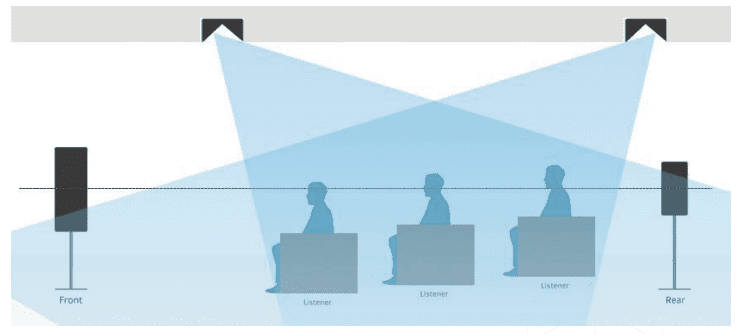
There is a lot of confusing and incorrect information about speaker placement for Atmos. Dolby’s guidelines can be less than helpful because they show round-down-fi ring height speakers in the ceiling. These don’t work effectively for many common applications where the seating area is low – and the guidelines do not clearly show the recommended vertical placement of side & back surrounds. So even great home theater designers put them where they used to in traditional pre-Atmos designs, high on the walls or ceiling. Unfortunately, these high locations for side & back surround compress Atmos’ overhead layer, rendering it less & less e active as they go higher on the walls and into the ceiling. With surrounds in the ceiling, there is no vertical space for Atmos to render sound objects. The vertically compressed sound field that results also distorts the size of sound objects. The ideal solution is to position side & rear surrounds with their acoustic centers, and their tweeters, in the lower half of the room. This preserves the upper half of the room for Atmos’ height layer.

But what can you do if there is no practical way to move surrounds from the ceiling into the lower half of the room?


Dolby Labs says that if the surrounds or other listener-level speakers are on the ceiling, the experience is

compromised, and
it should not be called Atmos. Using Triad’s unique selection of speaker models and versions with
specific
directional & dispersion patterns, we have created solutions that can deliver an experience remarkably close to correct Atmos in many situations. Since we are trying to create the illusion of vertical space where it doesn’t exist, we must use speakers
with different directional/dispersion patterns. First, we want ceiling-height speakers that will keep
their sound field up near the ceiling. These would be our Bronze/Silver/Gold Surrounds, whose bipole
configuration with 2 angled ba­ es directs sound left & right laterally across the ceiling, keeping their
sound up near the ceiling where we want it. Don’t worry about their InWall nomenclature; they get
installed in ceilings all the time.

Here are two solutions for back surrounds in the ceiling

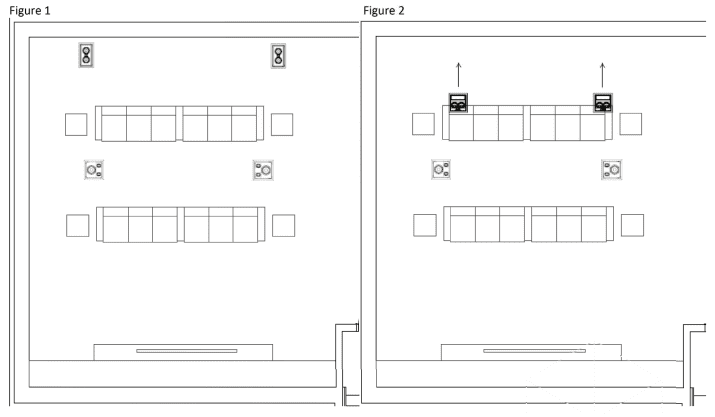
Back Surround speakers can direct their sound straight down behind listeners, with no angle forward or backward and with limited dispersion on the room’s length axis to minimize direct sound leaking to listeners. The best selection here would be InWall Mini/Bronze/Silver LCRs. Figure 1
shows an example of a 5.X.2 speaker configuration with two bipole heights and 2 down-fi ring
LCR back surrounds all of the ceilings.

  • Figure 2 shows a ceiling back surround alternative that can be efficient if there is a back wall
    with a reflective surface. Use angled-ba­ e speakers aimed to reflect their sound on the back
    wall at the points where back surrounds would ideally be placed. This creates virtual back
    surround speaker locations there. To calculate the ceiling speaker’s ideal location, you must take
    into account the reflection point, the speaker’s ba­ e angle (typically 45°), and the ceiling
    height. You must also select speaker models with greater output than normal because their path
    lengths to listeners will be significantly longer.
    Following these recommendations should deliver a close-to Atmos experience. Please note that Dipoles are not compatible with Atmos, but Bipoles can work extremely well.

Commercial Audio and Video Installation

Professional audio/video installation

Commercial audio and video installation refers to the installation and setup of audio and video systems in commercial spaces such as offices, conference rooms, retail stores, and restaurant environments.

Commercial audio and video installations typically involve the use of professional-grade equipment and specialized knowledge to design, install, and integrate complex systems. These systems may include video conferencing systems, sound systems, digital signage, video walls, and interactive displays.

The process of installation typically involves a site visit to assess the space and its unique requirements. Based on this assessment, a customized solution is designed and proposed, taking into account factors such as the layout of the space, the intended use of the system, and the budget.

Installation of systems may involve running cables and wiring, mounting displays, configuring and testing equipment, and programming control systems. It may also involve ongoing maintenance and support to ensure that the system operates reliably.

Professional services can help businesses to create a dynamic and engaging environment for their customers and employees and can help with communication and collaboration among teams.

The benefits of professionally installed audio systems include:

Improved customer experience. A well-designed, properly-installed sound system can have a positive impact on the way customers experience your business. It can heighten their perception of the quality of your products or services, as well as create an inviting atmosphere.

Increased productivity. An effective audio system can motivate employees by creating a positive work environment that encourages productivity and collaboration among teams. For example, well-equipped meeting rooms can give team members opportunities to collaborate with colleagues from other departments. Helps to promote efficient communication throughout your organization.

Higher employee retention rates. A good sound system can also improve employee retention rates. Making working conditions more attractive for potential new hires looking at job opportunities.

Increased operational efficiency. A professional audio/video installation service will ensure that all components are installed correctly and work together seamlessly so there are no disruptions in operations due to poor equipment performance or compatibility issues that could cause downtime during peak business hours (e.g., lunch breaks).

Savant Premium, Smart Home Systems Personalized for the way you Live

Savant Smart Home

MAKE IT YOUR OWN

Best experience in home automation

The Savant ecosystem creates a home unlike any other by first respecting that
each Savant user is unique and deserving of an experience all their own. Each
member of the family is treated as an individual and granted their own User profile;
Each ‘User’ can personalize their Savant user Interface; Each ‘User’ can make their
own favorite channels, buttons and more.
On top of UI advancements, Savant is pioneering new ground in lighting control,
energy automation & distributed entertainment, offering both a Hi-Res IP-Audio
and lossless 4K IP Video distribution systems. With tens of thousands of Savant
Homes completed, scores of industry awards and accolades and numerous patents,
people from around the world have come to Savant in search of a smart home
tailored just for them

Armtech Services uses cookies and similar technologies to improve website performance, analyze traffic, and enhance your experience. Some cookies are necessary for the website to work, while others help us understand how visitors use our site. You can accept all cookies, reject non-essential cookies, or manage your preferences.